Concept preview. Not indexed. Facts are checked against the sources listed on each page.
How much would you weigh on other planets?
A person who weighs 150 lb (68 kg) on Earth would weigh 354 lb on Jupiter, 57 lb on Mars and 25 lb on the Moon. Standing on the Sun's surface they would weigh 4,200 lb, if they could stand on it.
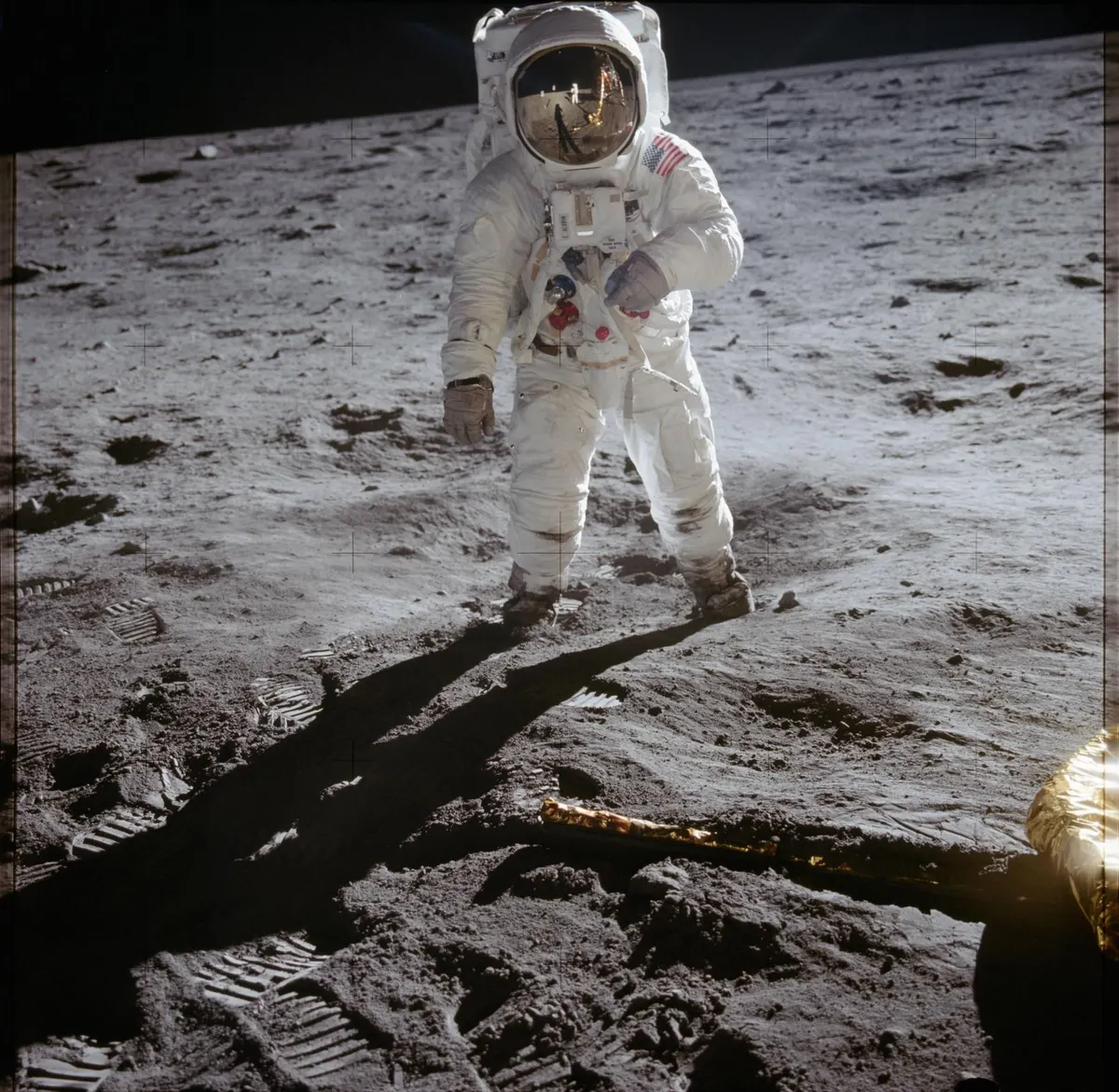
Your weight
At 150 lb on Earth you would weigh 354 lb on Jupiter and 25 lb on the Moon.
| World | Your weight | Compared with Earth |
|---|---|---|
| Moon | 25 lb | 17% |
| Mercury | 57 lb | 38% |
| Venus | 136 lb | 91% |
| Mars | 57 lb | 38% |
| Jupiter | 354 lb | 236% |
| Saturn | 137 lb | 92% |
| Uranus | 133 lb | 89% |
| Neptune | 168 lb | 112% |
| Pluto | 11 lb | 7% |
| Sun | 4,200 lb | 2800% |
Your mass, the amount of matter in your body, stays the same everywhere. Your weight is the pull of gravity on that mass, so it changes with the size and density of the world you stand on. Jupiter's gravity is 2.36 times Earth's. Pluto's is 0.071 times, so a 150 lb person would weigh 11 lb there.
Jupiter, Saturn, Uranus and Neptune have no solid surface, so their figures are the gravity at the level where the air pressure equals Earth's at sea level. Saturn's gravity is 0.92 times Earth's, a little less than Earth's own, even though Saturn is far larger, because it is so much less dense. The Sun's figure is gravity at its visible surface.
Sources and method
- Gravity ratios from the NASA Planetary Fact Sheet, accessed October 18, 2026. The Sun uses its equatorial surface gravity.